From research to long-term perspectives
AQUAFLY will test whether integrated food-production systems can contribute to long-term self-reliance. Expected benefits are research hypotheses and development objectives — not outcomes already demonstrated by the project.
Self-reliance
Investigating whether families and cooperatives can operate integrated systems independently and economically sustainably.
Food production
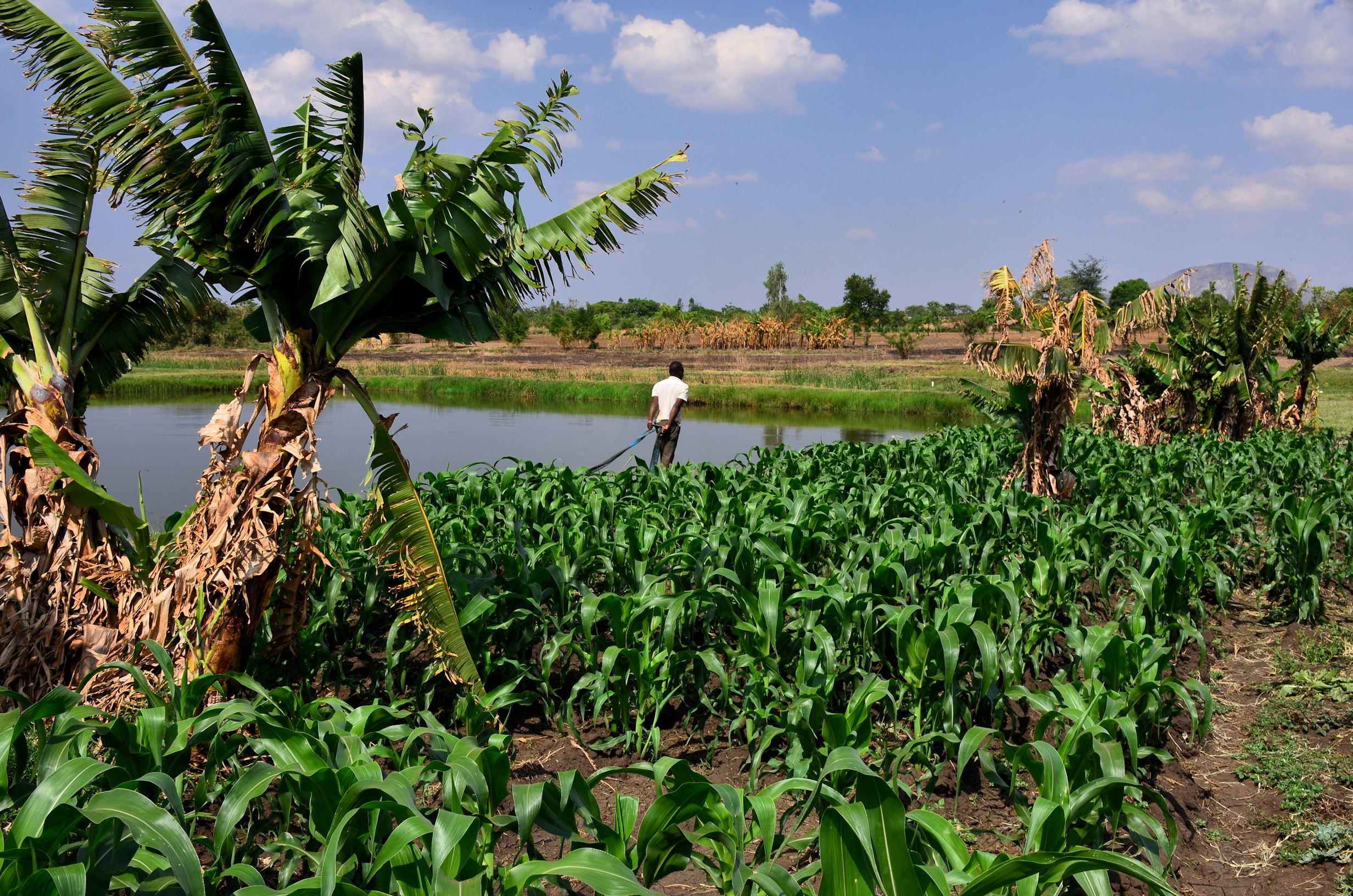
Exploring resource-efficient local production of fish, vegetables and herbs under constrained water and land availability.
Market access
Measuring changes in self-sufficiency and market access through baseline and end-line surveys.
Women & youth
The project places particular emphasis on potential benefits for women, children and young people.
Urban relevance
Low spatial requirements may make integrated production relevant where agricultural land and water are severely limited.
Scaling evidence
CGE modelling will explore potential macroeconomic effects if viable systems were introduced at larger scale.
Development context
The project is designed in relation to Malawi's longer-term development framework, including Malawi Vision 2063 and its first ten-year implementation plan for agricultural structural transformation and value creation.